From Behind Bars, Tirana Mayor Turns on Albania’s PM Rama
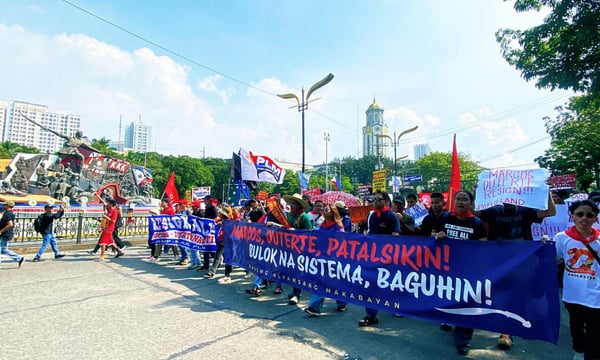
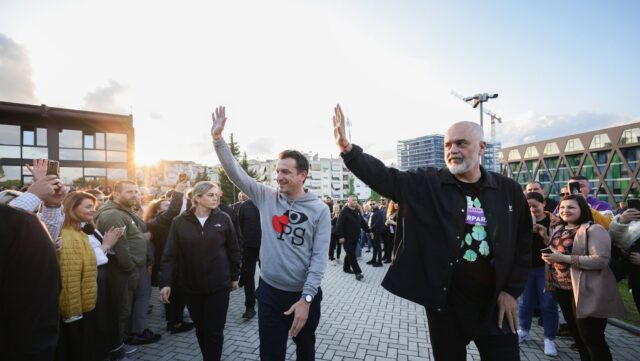
Against a backdrop of anti-government protests, experts suspect Tirana mayor Erion Veliaj is seeking to portray himself as a ‘political prisoner’ as he awaits trial on corruption charges.
Uncovering corruption worldwide
Against a backdrop of anti-government protests, experts suspect Tirana mayor Erion Veliaj is seeking to portray himself as a ‘political prisoner’ as he awaits trial on corruption charges.
[263Chat] Cabinet has approved a new five-year National Anti-Corruption Strategy aimed at strengthening accountability, improving law enforcement and reducing corruption across public institutions.
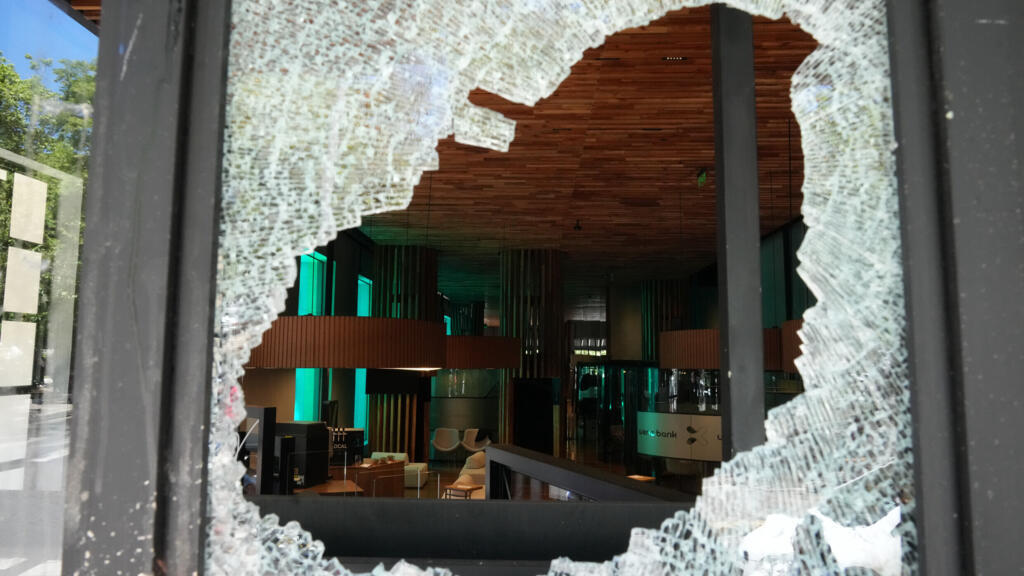
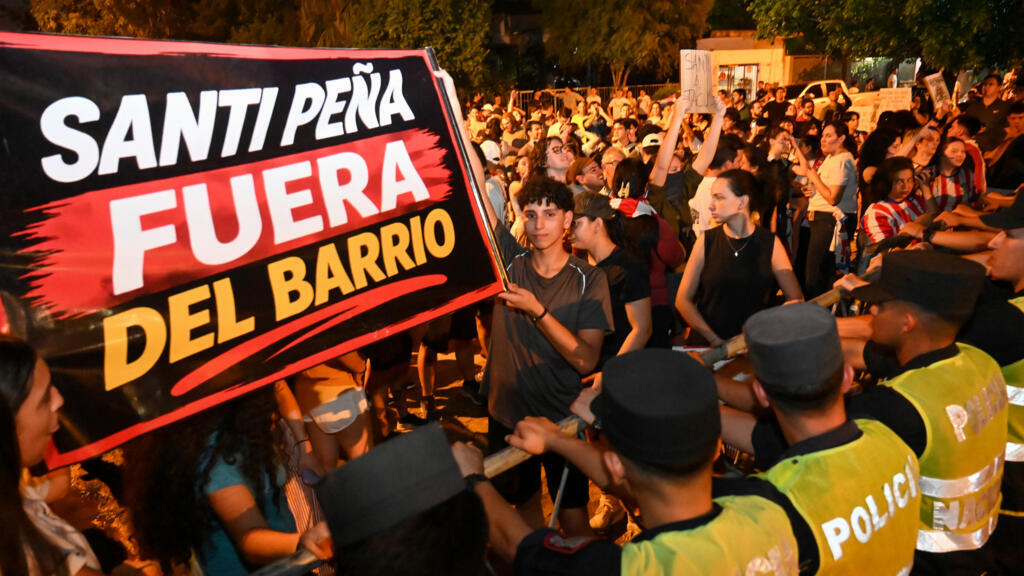
Paraguay's Central Bank said Wednesday it had partially returned savings to all eligible Ueno Bank depositors, following the lender's collapse last week. The crisis triggered mass protests and the impeachment and arrest of former president Santiago Peña, who is accused of directing government funds to the bank.
[Nile Post] Transparency International Uganda has raised concern over persistent accountability gaps in public institutions, warning that weak enforcement of existing laws, inadequate supervision and institutional shortcomings continue to undermine service delivery and fuel corruption.
[Nile Post] The Special Presidential Assistant on Anti-Corruption and Legal Advisor to the President, Rebecca Atwiine, has called for stronger enforcement of accountability measures, warning that Uganda's fight against corruption will remain ineffective unless public officials implicated in wrongdoing are held accountable.
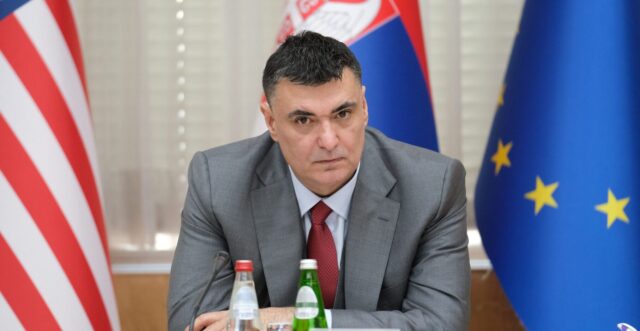
Former Economy Minister Rade Basta is suspected of abusing his office while running a Belgrade power utility company by approving unjustified donations to various sports associations.
Paraguay’s impeached president Santiago Peña was on Saturday charged over his business links to a major online bank whose sudden collapse locked millions of people out of their money and sparked angry protests.
Ergys Agasi started out as a young inspector at Albania’s environment ministry. Over the next decade, he accrued businesses, properties and influence within the highest echelons of government. His arrest begs the question: how did he rise so far, so fast?
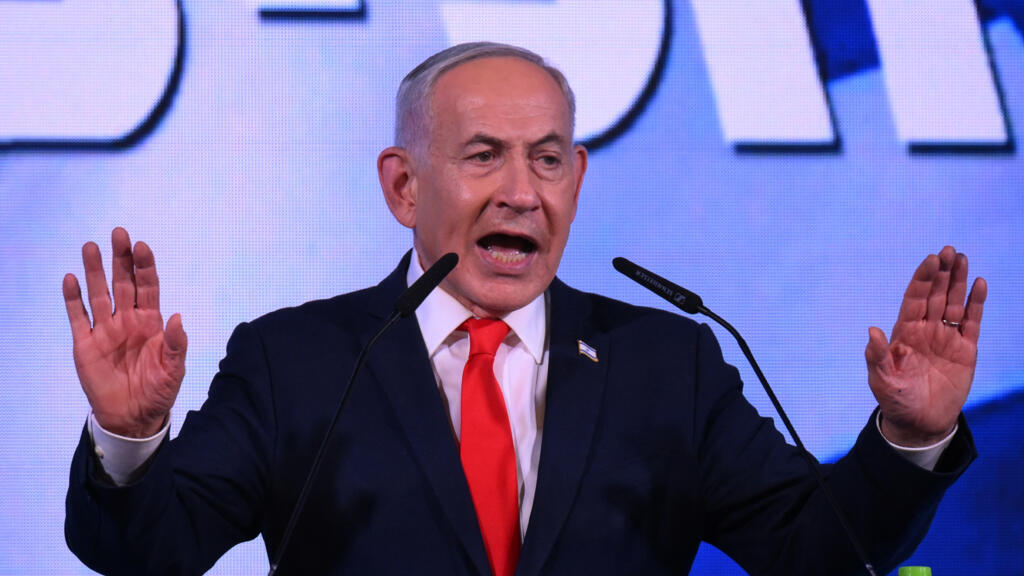
Israeli Prime Minister Benjamin Netanyahu on Wednesday cited "serious suspicions" around foreign interference in Israel's recent parliamentary elections. He claims foreign countries spent large amounts of money to influence the results, while the largest Arab-Israeli bloc called such accusations "political persecution".
Governments must now choose: keep political money largely hidden, or adopt the basic transparency needed to sustain public trust.